
In the realm of amusement park rides, few attractions captivate audiences quite like the paratrooper ride. With its circular canopy and thrilling spinning motion, it has earned its place as a fan favorite. But how does one go about obtaining such a ride for sale? And once acquired, how difficult is it to set up and operate? Let’s delve deeper into these questions and explore the world of amusement paratrooper rides.
Understanding the Operation of Paratrooper Rides
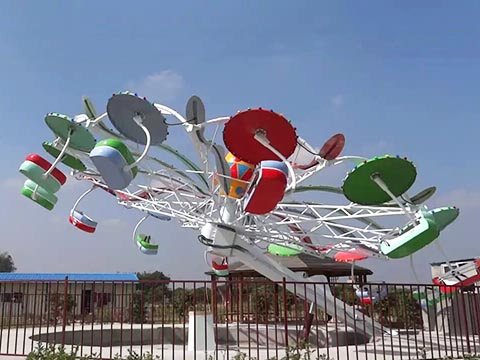
The operation of a paratrooper ride (орбита аттракцион) is relatively straightforward yet exhilarating. As the ride rotates in a circular fashion, it gradually ascends into the air, reaching a point where it begins to tilt. This tilting motion, facilitated by a hinged column, adds an extra dimension of excitement for riders. As the spinning accelerates, centrifugal force pushes riders outward, intensifying the sensation of flight and thrill. This unique combination of motion and forces creates an unforgettable experience for passengers of all ages.
Finding Paratrooper Rides for Sale
When it comes to finding paratrooper rides for sale, the market offers several options. Countries like China have multiple manufacturers that understand the popularity of these rides and continuously design and produce new models to meet demand. Whether you’re starting a new carnival or looking to upgrade an existing one, these manufacturers cater to various needs and preferences. Online platforms, including specialized websites and advertisements, provide convenient avenues for locating and purchasing these rides (купить аттракционы в россии). By exploring different manufacturers and comparing prices, you can find the best deal for your budget and requirements.
Setting Up and Operating Paratrooper Rides
Setting up a paratrooper ride requires careful planning and execution, but it is not overly difficult, especially with experience. The process typically involves securing the base to prevent tipping and connecting the various components, such as the central column and passenger carts. Thorough testing is essential to ensure the ride operates safely and smoothly before offering rides to the public. While there may be challenges initially, such as understanding the assembly instructions and coordinating logistics, these can be overcome with proper preparation and attention to detail.
Choosing Reliable Manufacturers
When purchasing a paratrooper ride (аттракцион колокольчик), it’s crucial to choose a reliable manufacturer known for producing high-quality and durable attractions. Researching manufacturers’ reputations, reviewing customer feedback, and inspecting product specifications can help ensure you’re investing in a ride that meets safety standards and delivers a thrilling experience for riders. Additionally, opting for manufacturers that offer warranties and maintenance support can provide added peace of mind and long-term value for your investment.
Amusement paratrooper rides hold a special place in the hearts of thrill-seekers and carnival enthusiasts worldwide. From their exhilarating spinning motion to their iconic circular canopy, these attractions offer an unforgettable experience for riders of all ages. By exploring the options available from reputable manufacturers and understanding the process of setting up and operating these rides (https://bestonamusementrides.ru/hy/detskie-attrakciony/), you can bring the excitement of the paratrooper ride to your carnival or amusement park. With careful planning and attention to detail, acquiring and operating a paratrooper ride can be a rewarding endeavor that delights audiences for years to come.
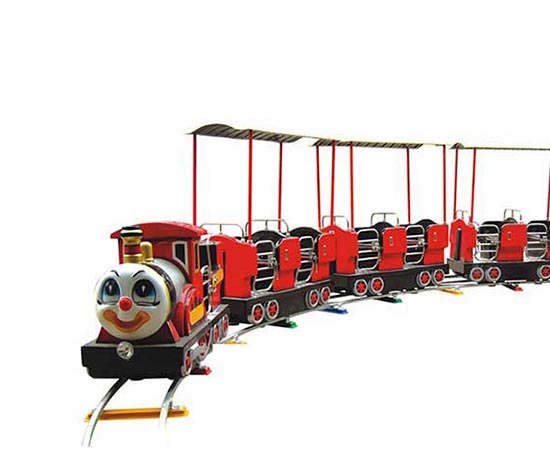
When it comes to choosing a roller coaster for kids, whether for a theme park, school event, or backyard setup, several factors need to be carefully considered. These considerations ensure that the ride is safe, enjoyable, and appropriate for the target age group. Roller coasters designed for children are often referred to as “kiddie rides” due to their slower speeds, gentler motions, and fun, colorful themes. The following sections will dive deeper into the key aspects to keep in mind when selecting a roller coaster for kids, starting with the most important factor: design.
The Importance of Design in Kiddie Rides
One of the most important considerations when choosing a roller coaster for kids (детские американские горки) is the design. The design affects not only the visual appeal of the ride but also its safety and functionality. Kids are drawn to fun, colorful, and engaging designs, which can often make or break their experience. Here are several design-related factors to think about:
Theme and Aesthetic Appeal
Kiddie rides often feature vibrant colors and child-friendly themes that spark the imagination. Roller coasters for kids come in various designs, from classic fairytale themes like castles and dragons to futuristic space adventures or underwater explorations. The theme you choose should align with the interests of the children who will be riding it. For example, if the kids are fascinated by dinosaurs, a roller coaster designed with a prehistoric theme featuring dino-shaped cars and jungle surroundings could enhance the experience.
Moreover, the aesthetic appeal of the ride contributes to the overall atmosphere of the area where the coaster will be installed. If the roller coaster is part of a larger amusement park or school carnival, its design should complement the surrounding attractions. The right choice can make the roller coaster stand out as a highlight of the event or location.
Safety Features and Carriage Design
For kiddie rides, safety is the number one priority. Roller coasters (американские горки купить) for children must be designed with numerous safety features to ensure that the ride is secure and the kids are well-protected. One key aspect of safety is the carriage design. Children should sit in carriages with secure safety belts, harnesses, or lap bars to prevent them from falling or moving around during the ride.
Additionally, it’s important to verify that the carriage design allows for comfortable seating. Kids should not feel cramped or uncomfortable while riding. The seat should be designed to accommodate young children while also ensuring that there is enough space for them to sit safely.
Some roller coasters for kids come equipped with other safety features, such as cushioned seats or shock-absorbing materials to minimize the impact of bumps or sudden stops. Always prioritize these safety aspects when evaluating design options.
Size Considerations for a Kiddie Roller Coaster
The size of the roller coaster is another crucial factor when selecting a ride for kids (аттракцион для детей). Not only does the size need to match the available space, but it also affects how many children can safely ride at once. A properly sized roller coaster provides a smooth, enjoyable experience without overcrowding the ride or leaving too much unused space.
Space Allocation and Area Requirements
Before purchasing or installing a kiddie roller coaster, you need to measure the available space where the ride will go. For amusement parks or public spaces, this means considering the overall footprint of the roller coaster, including the track layout and surrounding area. Be sure that there’s enough room for kids to line up in an orderly fashion and wait for their turn to ride.
In a home setting, space constraints might limit the size of the roller coaster, so it’s important to carefully measure the yard or designated area. Installing a roller coaster that is too large can lead to a cramped space and an uncomfortable experience for the children. On the other hand, a ride (купить аттракционы от производителя) that is too small might fail to provide the excitement children are looking for.
Number of Riders per Carriage
Another important size-related factor is the number of children the roller coaster can accommodate in each carriage. Most kiddie rides are designed to hold at least two children per carriage, which helps reduce wait times and ensures that kids can ride together. Depending on the design and theme, some roller coasters can accommodate more children, which is a great option for high-traffic areas.
For home installations or smaller spaces, smaller carriages may be more appropriate. On the other hand, for larger public settings, larger carriages or more seats per ride might be ideal to maximize the number of children that can enjoy the ride.
Budgeting for a Kiddie Roller Coaster
The price range for kiddie rides varies significantly, with simpler models being more affordable and elaborate designs costing considerably more. Determining your budget ahead of time will help narrow down your options. While selecting a roller coaster, it’s crucial to understand the balance between cost and features.
Price Variations and Features
Affordable kiddie roller coasters typically offer the basics: a safe, functional design that provides an enjoyable ride. These may have limited features such as basic carriages, minimal theming, and fewer special effects. While these models might lack some bells and whistles, they can still provide a fantastic experience for kids.
Higher-end models, however, come with added features, such as interactive elements, music, or LED lights that enhance the ride. These designs might also offer a more intricate theme or more luxurious seating options. These features can make the ride even more captivating for children, though they come at a higher price.
When planning your budget, it’s important to balance your needs. Consider how often the ride will be used and whether the extra features justify the added cost. If the roller coaster is for a home or small venue, a more basic model might suffice. However, for larger public spaces, investing in a more expensive model with additional features may be worthwhile.
Maintenance Costs
Don’t forget to account for long-term maintenance costs. Roller coasters, even kiddie rides, require regular maintenance to ensure they remain safe and operational. Maintenance may include inspections, repairs, cleaning, and updates to safety features. Factor these ongoing costs into your budget to avoid unexpected expenses down the line.
Location Factors
The location where you intend to install the kiddie roller coaster plays a significant role in your decision-making process. Different locations may have varying space requirements, safety regulations, and practical considerations.
Amusement Parks and Large Venues
For amusement parks and other large venues, you likely have ample space to install a full-sized roller coaster. In these environments, the coaster’s design should complement other rides, and the theme can be more elaborate. Additionally, these venues often have the infrastructure and staff to handle larger, more complex rides.
Home Installations and Smaller Venues
In contrast, home installations and smaller venues come with more space constraints. A backyard roller coaster, for example, may need to be more compact and simpler in design. Smaller kiddie rides for home use can often be less expensive and easier to install, providing an enjoyable experience without the complexities of a large-scale amusement park ride.
Conclusion
Selecting the perfect roller coaster for kids involves a thorough assessment of various factors, including design, size, budget, and location. Kiddie rides are a fantastic way to provide children with a fun, safe, and memorable experience. By focusing on safety features, appropriate sizing, and budget-friendly options, you can choose a roller coaster that meets your needs while providing children with endless fun and adventure.
Remember, whether you are installing the roller coaster in a park, school, or home, the ultimate goal is to ensure the children have an exciting yet secure ride that brings joy and thrill without compromising their safety.
The amusement industry in 2025 is poised to enter a phase of structural transformation. While global economic fluctuations and evolving consumer behaviors present uncertainties, the demand for immersive, interactive, and emotionally engaging attractions remains resilient. Operators seeking high ROI are re-evaluating their equipment portfolios, favoring rides that blend thrill, thematic value, and social media appeal. This article analyzes which amusement rides stand out in terms of profitability and what trends will shape purchasing decisions in the coming year.
Capitalizing on High-Demand Classics
Among the enduring crowd-pleasers, the pirate ship ride for sale continues to represent a strategic investment for operators of all scales. Its moderate footprint, high capacity, and dramatic motion arc make it a top choice for both fixed parks and mobile setups. Particularly in emerging markets across Southeast Asia and Eastern Europe, these rides are gaining traction among family-oriented parks looking to add dynamic motion without exceeding budgetary constraints.
The aesthetic versatility of the pirate ship also supports diverse theming possibilities—from nautical fantasy to ancient civilization adventures—enhancing park storytelling while controlling design costs. This balance of thematic impact and investment efficiency is a key driver behind its continued global relevance.
Engineering Innovation and Brand Differentiation
For large-scale operators, collaboration with a specialized roller coaster manufacturer is increasingly critical. In 2025, the profitability of roller coaster installations will hinge not just on track height or inversion count, but on narrative integration, ride duration, and the ability to appeal across age brackets.
Hybrid coasters, which blend steel and wood elements, are expected to see growth due to their unique ride dynamics and visual appeal. Parks are also focusing on mid-sized coasters that offer a thrilling yet accessible experience, ideal for family audiences and repeat riders. Coasters with integrated LED lighting, sound effects, and VR support open doors to seasonal re-theming, extending operational versatility.
While initial investment is significant, a well-engineered coaster delivers enduring value through consistent footfall, social media virality, and merchandising opportunities tied to the ride’s branding.
Strategic Investment in Multi-Functional Attractions
The modern amusement park ride manufactureris no longer just a fabricator of steel structures. The top performers in 2025 will be those who offer end-to-end design services, modular platforms, and digital integration capabilities. Buyers are increasingly looking for rides that serve dual functions—offering not only thrills but also immersive storytelling, educational overlays, or interactive gameplay.
This demand is shaping a new breed of amusement equipment that blurs the line between ride and attraction. For example, media-enhanced dark rides that combine traditional track systems with interactive screens are gaining ground in indoor parks and mall-based entertainment centers. These rides offer repeatability, flexible IP theming, and year-round operation—factors that directly contribute to profitability.
Swing Towers and Vertical Sensations
The vertical dimension continues to be a compelling way to maximize thrill on minimal land. The swing tower stands out as one of the most profitable vertical rides in both permanent and seasonal parks. Offering panoramic views and high-altitude spins, it caters to the Instagram generation, where height equates to virality.
Operators benefit from high throughput and a strong visual landmark for the park. As ride manufacturers introduce collapsible and portable variants, the swing tower is becoming more accessible to smaller venues and temporary installations, further expanding its revenue potential.
Market Trends and Regional Demand Insights
Globally, North America and Western Europe remain stable markets focused on replacing aging infrastructure and incorporating IP-based attractions. However, Asia-Pacific and the Middle East are witnessing exponential growth, driven by government tourism initiatives and private sector investments in family entertainment centers.
In particular, countries such as Vietnam, Saudi Arabia, and Indonesia are emerging as hotbeds for new park development. Buyers in these regions are looking for scalable, easy-to-maintain rides with high visual impact and safety certifications recognized by international bodies like ASTM and TUV.
This is also driving increased competition among manufacturers, resulting in more customizable ride packages, integrated maintenance solutions, and financing options that reduce entry barriers for new investors.
Profitability Factors Beyond the Ride
In 2025, profitability is not defined solely by the thrill quotient of a ride. Factors such as maintenance cost, energy consumption, adaptability, and social media appeal are shaping ROI metrics. Rides with low maintenance cycles and digital control systems are more attractive for their ability to reduce downtime and labor costs.
Moreover, equipment that encourages user-generated content—through onboard cameras, augmented reality elements, or unique architecture—enhances the visibility of a park far beyond traditional advertising. This organic marketing has tangible revenue implications, especially for newer parks aiming to build a reputation quickly.
Conclusion
As the amusement industry navigates a dynamic global landscape in 2025, the most profitable equipment will be those that offer a confluence of operational efficiency, high entertainment value, and cross-demographic appeal. The pirate ship ride, roller coaster, swing tower, and immersive media-integrated attractions are well-positioned to lead the pack.
Manufacturers that evolve from builders to experience creators will dominate the market. For buyers, the winning strategy lies in selecting rides not only for their thrill factor but for their ability to tell stories, drive repeat visits, and integrate seamlessly with digital ecosystems. The future of amusement lies in convergence—of technology, emotion, and efficiency.