
welcome to the world of bre
welcome to the world of bre Amusement Rides Choosing the Right Ferris Wheel Ride

Choosing the Right Ferris Wheel Ride


Selecting the perfect Ferris wheel ride involves considering personal preferences, whether it’s the desire for breathtaking views, a family-friendly experience, or an adrenaline-pumping adventure. In this guide, we explore the factors that influence the choice of a Ferris wheel ride, including heights, design, and the level of thrill offered.

Heights and Views

For many Ferris wheel enthusiasts, the primary allure lies in the opportunity to enjoy sweeping views from elevated heights. Traditional Ferris wheels, with heights ranging from 50 to 100 feet, offer a moderate ascent that provides scenic vistas without inducing vertigo. Those seeking a more immersive experience may opt for giant observation wheels other than kiddie ferris wheels (https://bestonamusementrides.com/kiddie-ferris-wheel-for-sale/), towering over 400 feet, where the panoramic views are nothing short of spectacular. The choice between these heights often depends on individual comfort levels with elevation and the desire for a more expansive view.
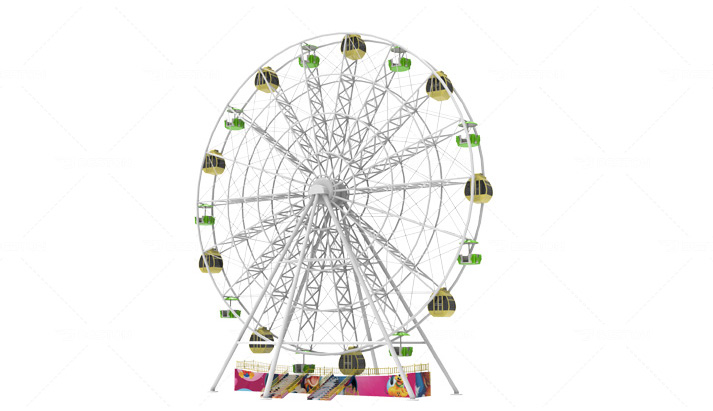
Amusement park ferris wheel ride

Family-Friendly Classics

Families with children often gravitate towards classic Ferris wheels. If you want to buy amusement rides, such as ferris wheel, roller coasters, carousels, etc. These rides typically feature enclosed cabins with gentle, predictable motion, providing a safe and enjoyable experience for riders of all ages. The classic design and moderate heights make these Ferris wheels a timeless choice for family outings, allowing parents and children to share in the joy of a leisurely ascent and descent.

Thrill-Seeking Adventures

Adrenaline enthusiasts and thrill-seekers may lean towards Ferris wheels that offer a more dynamic and exciting ride. Innovations such as rotating and tilting cabins introduce an element of unpredictability, creating a thrilling experience that adds a new dimension to the traditional Ferris wheel ride. For those seeking an adrenaline rush at impressive heights, these modern Ferris wheel designs deliver an unforgettable adventure.

Theme and Aesthetics

The overall design and theme of Ferris wheel rides for sale can also influence the choice of riders. Some Ferris wheels boast intricate and artistic designs, often inspired by cultural or historical themes. The aesthetics of the ride, including the appearance of the wheel itself and the design of the cabins, contribute to the overall experience. Theme park enthusiasts may find themselves drawn to Ferris wheels that complement the ambiance of the park or convey a unique visual story.

In conclusion, choosing the right Ferris wheel ride involves considering personal preferences, from the desire for panoramic views to the thrill-seeking appetite for adventure. With options ranging from classic and family-friendly to modern and adrenaline-inducing, Ferris wheels offer a diverse array of experiences that cater to the preferences of riders of all ages and tastes.
Related Post

Аттракцион башня

Comparing New vs. Used Drop Tower Rides: Which Is the Better Investment?Comparing New vs. Used Drop Tower Rides: Which Is the Better Investment?

Why a Drop Tower Matters in Your Attraction Mix

Drop towers are marquee attractions that deliver a visceral free-fall sensation and strong visual presence. They often play the same role in a park as a pirate ship ride (аттракцион пиратский корабль) or a looping coaster: a focal point that drives ticket sales and repeat visits. Choosing the right procurement route—new or used—affects upfront budget, guest perception, and long-term operational cost.

Benefits of Buying a Brand-New Drop Tower

State-of-the-Art Safety and Monitoring

New towers typically ship with the latest safety systems: magnetic or eddy-current braking, digital diagnostics, modern restraints, and redundant locking systems. These features reduce operational risk and usually translate to fewer unscheduled shutdowns.

Аттракцион башня

Longer Manufacturer Support Window

Manufacturers frequently include multi-year warranties, training packages, and spare-parts guarantees with new units. That makes budgeting easier and shortens time-to-repair compared with sourcing parts for an older model.

Marketing and Guest Appeal

An opening campaign for a brand-new attraction can generate publicity and social-media traction. For parks seeking to attract thrill-seekers, a new drop tower ride (аттракцион башня) often reads as a major investment in estate quality and guest experience.

Why Operators Choose Used Drop Tower Rides

Lower Upfront Cost

Used towers can cost significantly less than new models—often a fraction of the original price—making them attractive to seasonal operators, fairs, and smaller parks that need to expand quickly without large capital outlays.

Shorter Lead Times

Pre-owned rides (аттракционы для детей) can typically be shipped and installed faster because manufacturing lead times are eliminated. If you need an attraction before peak season, a used purchase speeds up delivery.

Refurbishment Opportunities

Many parks choose to refurbish used towers—applying new paint, LED lighting, and updated control systems—to achieve a modern appearance at reduced cost. This approach blends cost savings with fresh guest appeal.

Key Risks When Buying Pre-Owned

Hidden Maintenance Liabilities

Used units may harbor worn components, corrosion, or obsolete parts that are hard to replace. These factors can escalate maintenance budgets and cause longer downtime than expected. Requesting full maintenance histories and conducting a professional inspection before purchase is essential.

Regulatory and Compliance Upgrades

Safety codes evolve. An older tower may require retrofits to meet local regulations—upgrades that can erase the savings from the lower purchase price.

No or Limited Warranty

Used equipment is commonly sold “as is.” Without warranty support, the buyer absorbs the full cost of repairs and liability issues that arise post-sale.

Practical Decision Factors

When deciding between new and used, assess these core areas:

  • Available capital: Are you prioritizing short-term cashflow or long-term reliability?
  • Guest profile: Does your audience demand the latest thrill ride (аттракцион экстрим) technologies, or will a refurbished classic satisfy them?
  • Maintenance capacity: Do you have skilled technicians and budget for ongoing upkeep?
  • Timeline: Is fast installation more valuable than a custom-built new attraction?

Comparison Table: New vs. Used Drop Tower

Aspect New Drop Tower Used Drop Tower
Initial Cost High — full manufacturer MSRP Lower — resale or liquidation pricing
Warranty & Support Comprehensive warranty, training, spare parts Limited or none; buyer arranges support
Safety Features Latest systems and compliance May need retrofits to update
Time to Install Longer (manufacturing + shipping) Shorter (already built/disassembled)
Long-Term Cost Lower unexpected repairs initially Potentially higher maintenance spend

Practical Steps Before Purchase

  1. Obtain at least three quotes and compare inclusions (installation, training, parts).
  2. Request maintenance logs, NDT or inspection reports, and any incident history for used units.
  3. Have an independent engineer inspect the structural and braking systems.
  4. Factor in operator training, spare parts inventory and local regulatory approvals.
Tip: If your park already features a family-friendly pirate ship ride or other thrill ride, think about how the drop tower will balance your lineup — will it complement or overshadow existing attractions?
Choosing between a new or used drop tower is a strategic decision that affects guest satisfaction, safety, and finances. Carefully weigh immediate savings against long-term reliability to select the best option for your operation.
Engineering Innovation and Brand Differentiation

Global Amusement Equipment Market Outlook 2025: Identifying High-Yield Investments in Ride ManufacturingGlobal Amusement Equipment Market Outlook 2025: Identifying High-Yield Investments in Ride Manufacturing

The amusement industry in 2025 is poised to enter a phase of structural transformation. While global economic fluctuations and evolving consumer behaviors present uncertainties, the demand for immersive, interactive, and emotionally engaging attractions remains resilient. Operators seeking high ROI are re-evaluating their equipment portfolios, favoring rides that blend thrill, thematic value, and social media appeal. This article analyzes which amusement rides stand out in terms of profitability and what trends will shape purchasing decisions in the coming year.

Capitalizing on High-Demand Classics

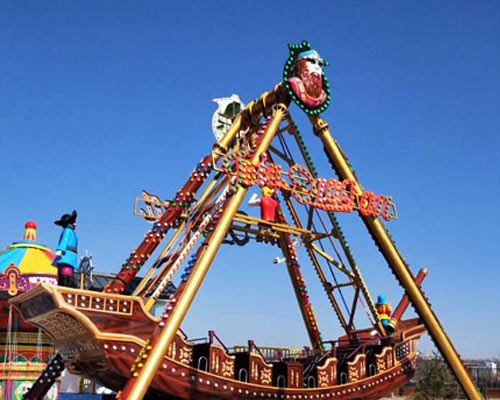
Among the enduring crowd-pleasers, the pirate ship ride for sale continues to represent a strategic investment for operators of all scales. Its moderate footprint, high capacity, and dramatic motion arc make it a top choice for both fixed parks and mobile setups. Particularly in emerging markets across Southeast Asia and Eastern Europe, these rides are gaining traction among family-oriented parks looking to add dynamic motion without exceeding budgetary constraints.

The aesthetic versatility of the pirate ship also supports diverse theming possibilities—from nautical fantasy to ancient civilization adventures—enhancing park storytelling while controlling design costs. This balance of thematic impact and investment efficiency is a key driver behind its continued global relevance.

Capitalizing on High-Demand Classics for Pirate Ship Ride

Engineering Innovation and Brand Differentiation

For large-scale operators, collaboration with a specialized roller coaster manufacturer is increasingly critical. In 2025, the profitability of roller coaster installations will hinge not just on track height or inversion count, but on narrative integration, ride duration, and the ability to appeal across age brackets.

Hybrid coasters, which blend steel and wood elements, are expected to see growth due to their unique ride dynamics and visual appeal. Parks are also focusing on mid-sized coasters that offer a thrilling yet accessible experience, ideal for family audiences and repeat riders. Coasters with integrated LED lighting, sound effects, and VR support open doors to seasonal re-theming, extending operational versatility.

While initial investment is significant, a well-engineered coaster delivers enduring value through consistent footfall, social media virality, and merchandising opportunities tied to the ride’s branding.

Engineering Innovation and Brand Differentiation

Strategic Investment in Multi-Functional Attractions

The modern amusement park ride manufacturer is no longer just a fabricator of steel structures. The top performers in 2025 will be those who offer end-to-end design services, modular platforms, and digital integration capabilities. Buyers are increasingly looking for rides that serve dual functions—offering not only thrills but also immersive storytelling, educational overlays, or interactive gameplay.

This demand is shaping a new breed of amusement equipment that blurs the line between ride and attraction. For example, media-enhanced dark rides that combine traditional track systems with interactive screens are gaining ground in indoor parks and mall-based entertainment centers. These rides offer repeatability, flexible IP theming, and year-round operation—factors that directly contribute to profitability.

Swing Towers and Vertical Sensations

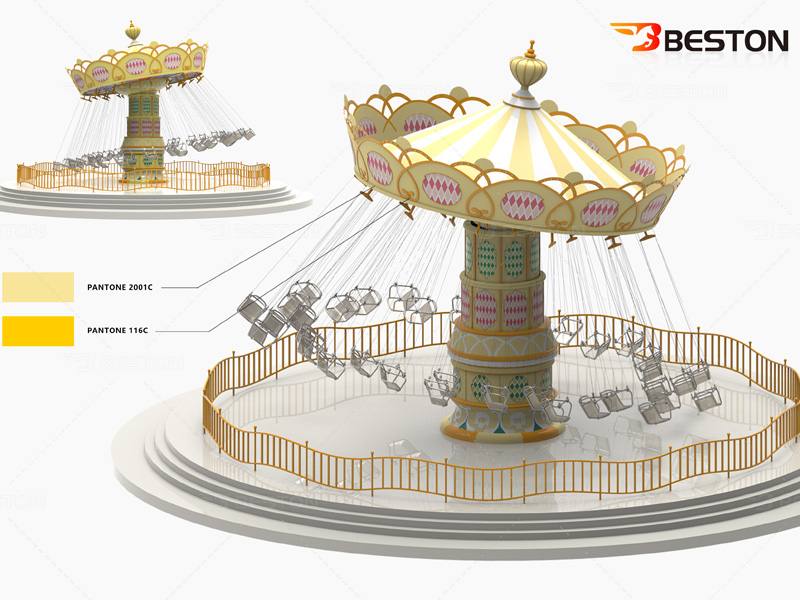
The vertical dimension continues to be a compelling way to maximize thrill on minimal land. The swing tower stands out as one of the most profitable vertical rides in both permanent and seasonal parks. Offering panoramic views and high-altitude spins, it caters to the Instagram generation, where height equates to virality.

Operators benefit from high throughput and a strong visual landmark for the park. As ride manufacturers introduce collapsible and portable variants, the swing tower is becoming more accessible to smaller venues and temporary installations, further expanding its revenue potential.

Swing Towers and Vertical Sensations

Market Trends and Regional Demand Insights

Globally, North America and Western Europe remain stable markets focused on replacing aging infrastructure and incorporating IP-based attractions. However, Asia-Pacific and the Middle East are witnessing exponential growth, driven by government tourism initiatives and private sector investments in family entertainment centers.

In particular, countries such as Vietnam, Saudi Arabia, and Indonesia are emerging as hotbeds for new park development. Buyers in these regions are looking for scalable, easy-to-maintain rides with high visual impact and safety certifications recognized by international bodies like ASTM and TUV.

This is also driving increased competition among manufacturers, resulting in more customizable ride packages, integrated maintenance solutions, and financing options that reduce entry barriers for new investors.

Profitability Factors Beyond the Ride

In 2025, profitability is not defined solely by the thrill quotient of a ride. Factors such as maintenance cost, energy consumption, adaptability, and social media appeal are shaping ROI metrics. Rides with low maintenance cycles and digital control systems are more attractive for their ability to reduce downtime and labor costs.

Moreover, equipment that encourages user-generated content—through onboard cameras, augmented reality elements, or unique architecture—enhances the visibility of a park far beyond traditional advertising. This organic marketing has tangible revenue implications, especially for newer parks aiming to build a reputation quickly.

Conclusion

As the amusement industry navigates a dynamic global landscape in 2025, the most profitable equipment will be those that offer a confluence of operational efficiency, high entertainment value, and cross-demographic appeal. The pirate ship ride, roller coaster, swing tower, and immersive media-integrated attractions are well-positioned to lead the pack.

Manufacturers that evolve from builders to experience creators will dominate the market. For buyers, the winning strategy lies in selecting rides not only for their thrill factor but for their ability to tell stories, drive repeat visits, and integrate seamlessly with digital ecosystems. The future of amusement lies in convergence—of technology, emotion, and efficiency.